The Relevance of Aluminum Foundries in Sustainable Industrial Practices
Aluminum foundries are important to lasting industrial methods. They effectively create and reuse aluminum, a material recognized for its lightweight and environmentally friendly residential properties. By implementing sophisticated modern technologies and renewable resource, these foundries considerably lower energy usage and discharges. Additionally, their recycling capabilities preserve natural deposits and promote a circular economic climate. As the need for sustainable remedies grows, the duty of aluminum foundries remains to evolve, raising crucial questions concerning their future effect.
The Role of Aluminum in Lasting Production
Lots of materials are used in contemporary manufacturing, aluminum stands out due to its unique properties that add to lasting methods. Its lightweight nature lowers power usage during transport and application, greatly lowering carbon impacts across different industries. Aluminum's resistance to deterioration expands its life-span, lessening the need for replacements and resource-intensive upkeep. In addition, it is extremely recyclable, with the capacity to preserve its properties after multiple cycles, advertising a circular economic situation. This recyclability reduces the demand for resources, preserving natural resources and power. Furthermore, aluminum can be generated with reduced greenhouse gas exhausts contrasted to various other steels, particularly when sourced from recycled content. As sectors significantly prioritize sustainability, aluminum's versatility and environmentally friendly qualities placement it as a crucial product in achieving greener manufacturing processes. Its duty in reducing ecological influence highlights the significance of aluminum in modern-day industrial methods, straightening with global sustainability goals.
Power Performance in Aluminum Foundries
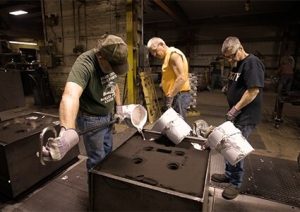
Furthermore, refining operational processes via automation and real-time tracking can even more improve power monitoring. Routine maintenance of tools assurances peak performance, while staff member training on energy-saving practices promotes a culture of sustainability within the labor force.
Investments in eco-friendly energy sources, such as solar or wind power, also add to lowering the carbon impact of aluminum foundries. By prioritizing energy performance, these centers not only reduced functional expenses but likewise play a pivotal role in cultivating a sustainable commercial landscape, lining up with more comprehensive environmental objectives.
Recycling and Resource Preservation
Reusing and resource conservation play a necessary duty in the sustainability techniques of aluminum foundries, enhancing energy efficiency initiatives. Aluminum is among the most recycled materials worldwide, with the reusing procedure calling for just 5% of the power needed for primary manufacturing. Foundries actively collect scrap aluminum from various resources, manufacturing and consisting of post-consumer products waste, therefore reducing the demand for virgin material removal. This practice not just saves natural sources yet also minimizes greenhouse gas discharges connected with mining and refining.
The closed-loop recycling system carried out by lots of foundries guarantees that aluminum elements are recycled consistently without deterioration of high quality. This system enhances material performance and adds to a round economic climate. By prioritizing recycling and resource conservation, aluminum foundries considerably alleviate their ecological impact while promoting sustainable industrial methods that profit both the economic situation and society.
Advancements in Aluminum Manufacturing Processes
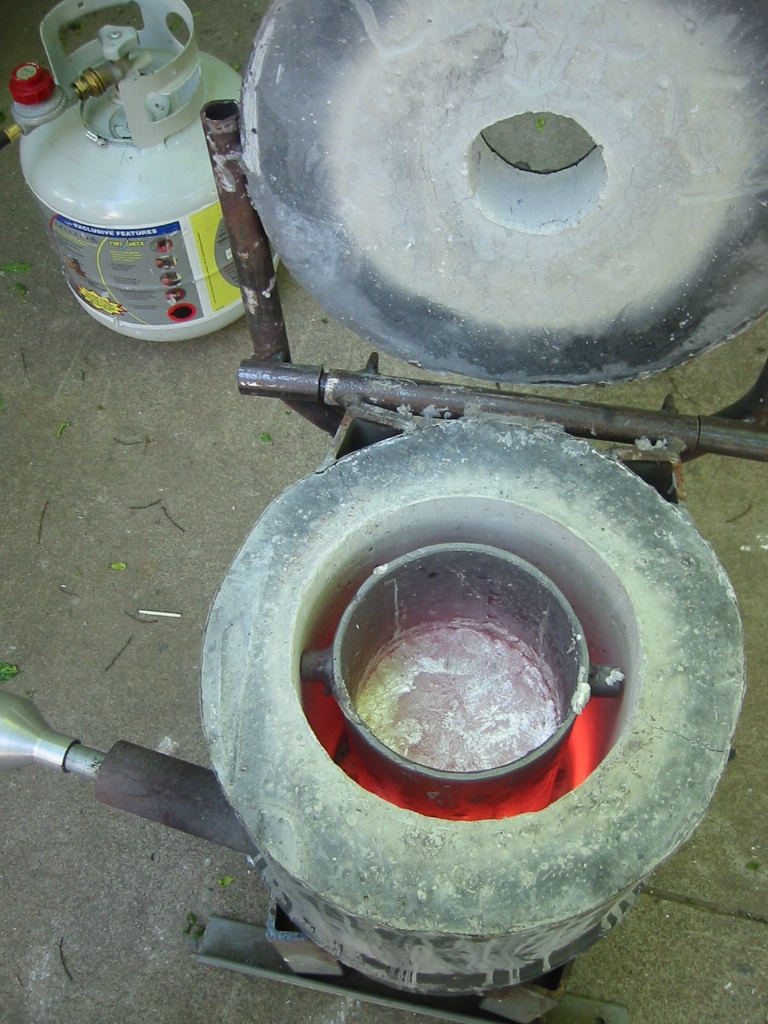
Innovations in aluminum production processes are get more info transforming the market, concentrating on decreasing power consumption and improving performance. One remarkable advancement is the fostering of advanced smelting methods, such as inert anode modern technology, which significantly decreases greenhouse gas emissions while raising output top quality. Furthermore, the combination of automation and expert system in assembly line has streamlined operations, enabling for real-time surveillance and modifications that optimize resource usage.
The development of composite products and brand-new alloys additionally enhances the mechanical buildings of aluminum while maintaining its lightweight attributes. Advancements in reusing techniques, consisting of closed-loop systems, enable for the recuperation of products with minimal waste. The execution of sustainable power resources in aluminum smelting plants is becoming significantly prevalent, straightening production with sustainability goals. Collectively, these advancements not only enhance productivity yet additionally position the aluminum market as a leader in sustainable manufacturing techniques.
The Effect of Aluminum Foundries on Circular Economy
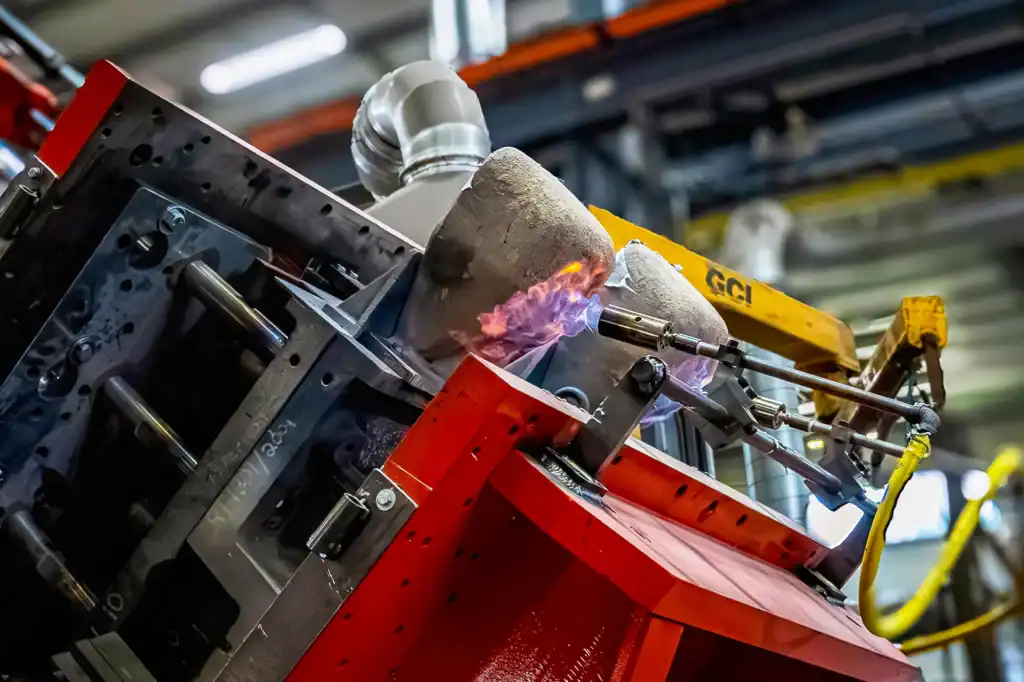
Aluminum foundries play a critical role in promoting a circular economic climate by emphasizing the relevance of material healing and reuse. By using recycled aluminum, foundries greatly decrease the need for virgin materials, reducing ecological impact and saving power. The processes employed in aluminum foundries permit the effective transformation of scrap aluminum back into top quality ingots, which can be repurposed for brand-new products - Aluminum Castings. This method not just lowers carbon discharges but also reduces waste in garbage dumps, aligning with the principles of sustainability
Additionally, aluminum's intrinsic residential or commercial properties-- such as lightweight and longevity-- boost item long life, lowering the regularity of replacement. The assimilation of aluminum foundries within local economic situations promotes job development and supports sustainable methods, as they typically collaborate with industries concentrated on recycling and resource management. Overall, aluminum foundries contribute ahead of time round economic climate campaigns, verifying their worth in contemporary industrial techniques.
Often Asked Questions
Exactly How Do Aluminum Foundries Contribute to Job Creation in Neighborhood Neighborhoods?
Aluminum foundries add to task development in local areas by offering employment possibility across different skill levels, improving local economic climates through increased incomes, and fostering workforce development, inevitably supporting sustainable development and area resilience.
What Are the Environmental Influences of Aluminum Mining?
Aluminum mining especially affects the environment via deforestation, habitat damage, and water air pollution. The removal process typically results in soil degradation and adds to greenhouse gas exhausts, impacting regional communities and neighborhoods reliant on natural deposits.
Exactly how Does the Cost of Aluminum Compare to Various Other Metals?
Aluminum normally costs much less than metals like copper and gold, yet more than iron and steel (Aluminum Foundry). Its price changes based upon market demand, production costs, and global economic problems, affecting different sectors and applications
What Certifications Should Consumers Seek in Sustainable Aluminum Products?
Customers need to seek accreditations such as the Aluminum Stewardship Initiative (ASI) accreditation, ISO 14001 for environmental monitoring, and the International Recycle Criterion (GRS) to guarantee sustainability in aluminum items, advertising responsible sourcing and ecological stewardship.
How Can Organizations Assess the Sustainability of Their Aluminum Suppliers?
Companies can examine the sustainability of aluminum providers by examining accreditations, auditing practices, analyzing power use, and guaranteeing adherence to ecological laws. Collaborating with vendors that focus on environmentally friendly processes is necessary for sustainable procedures.
As aluminum foundries undertaking to enhance their sustainability efforts, power effectiveness arises as an essential emphasis location. Investments in eco-friendly power resources, such as solar or wind power, also contribute to decreasing the carbon impact of aluminum foundries. Recycling and resource conservation play an essential function in the sustainability methods of aluminum foundries, complementing energy efficiency efforts. By utilizing recycled aluminum, foundries considerably lower the demand for virgin products, minimizing environmental effect and preserving power. The procedures employed in aluminum foundries permit for the efficient makeover of scrap aluminum back into high-quality ingots, which can be repurposed for brand-new products.